"You can’t pour from an empty cup."
We’ve all heard this before, but how often do we apply it to our work lives?
Burnout and stress are deeply connected to productivity, just like coffee and Monday mornings. Yet, many of us and even organizations treat these issues like an afterthought. It’s time to change that because the numbers speak for themselves.
The Facts: Burnout and Stress Impact Productivity
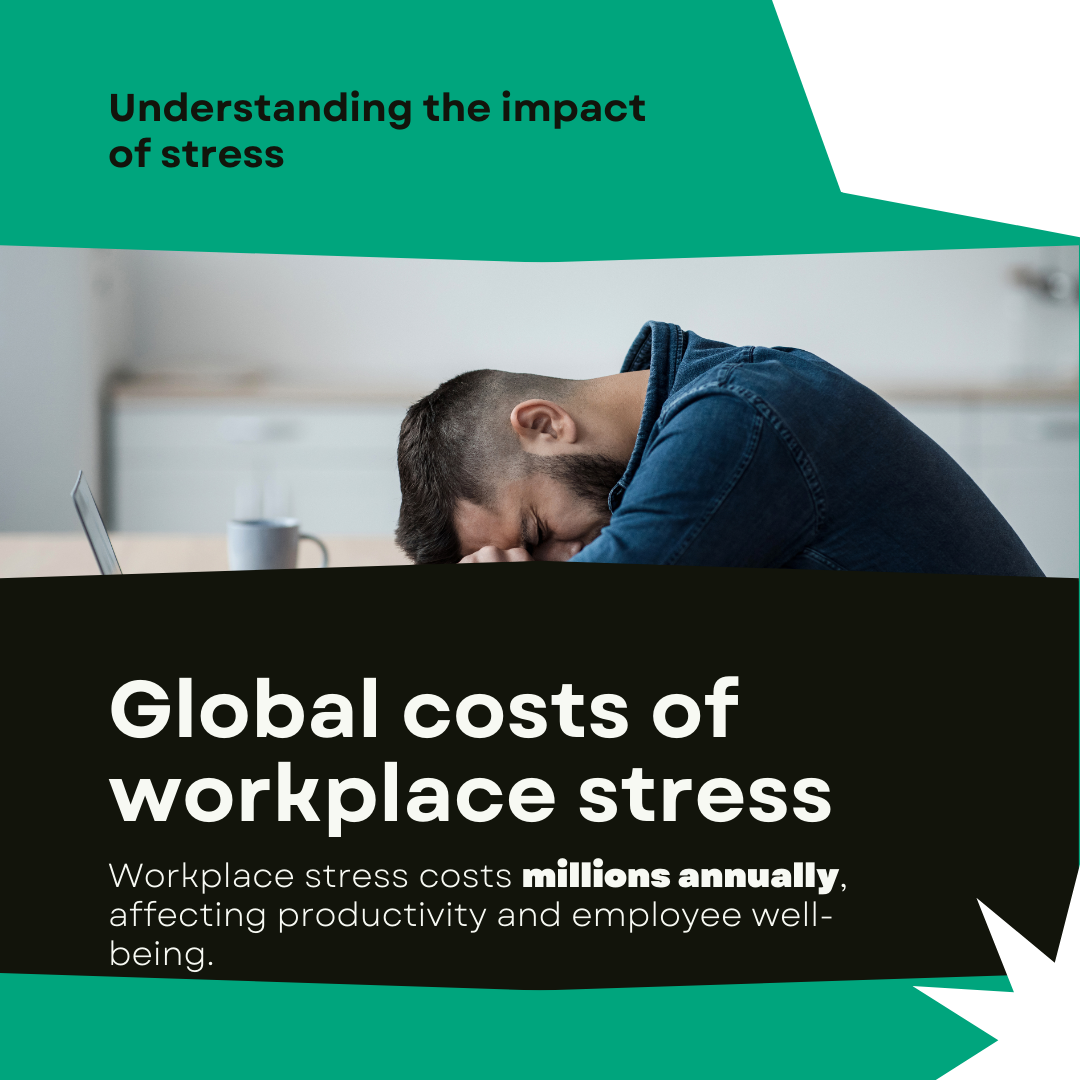
Did you know that workplace stress costs the global economy $1 trillion every year in lost productivity? That’s according to the World Health Organization (WHO). On top of that, workplaces that don’t address stress and burnout see more sick days and employees quitting.
But here’s the good news:
Employees who feel supported in managing their stress are 23% more productive, according to the Mental Health Foundation. So, addressing stress and burnout isn’t just nice; it’s smart business.
And let’s be real—
we’ve all had that coworker (or been that coworker) who downs endless cups of coffee but still feels totally drained. That’s what happens when we ignore the stress signals our bodies are sending us.
Why Ignoring Burnout and Stress Backfires
When burnout and stress aren’t addressed, here’s what can happen:
- Burnout: This is when you feel so exhausted and cynical that work feels pointless. (Think: trying to charge your phone with a broken charger.)
- Presenteeism: This is when you’re physically at work but mentally checked out. Kind of like when your Wi-Fi keeps disconnecting during a Zoom meeting.
- High Turnover: When people feel unsupported, they leave. Simple as that.
The Science of Balance

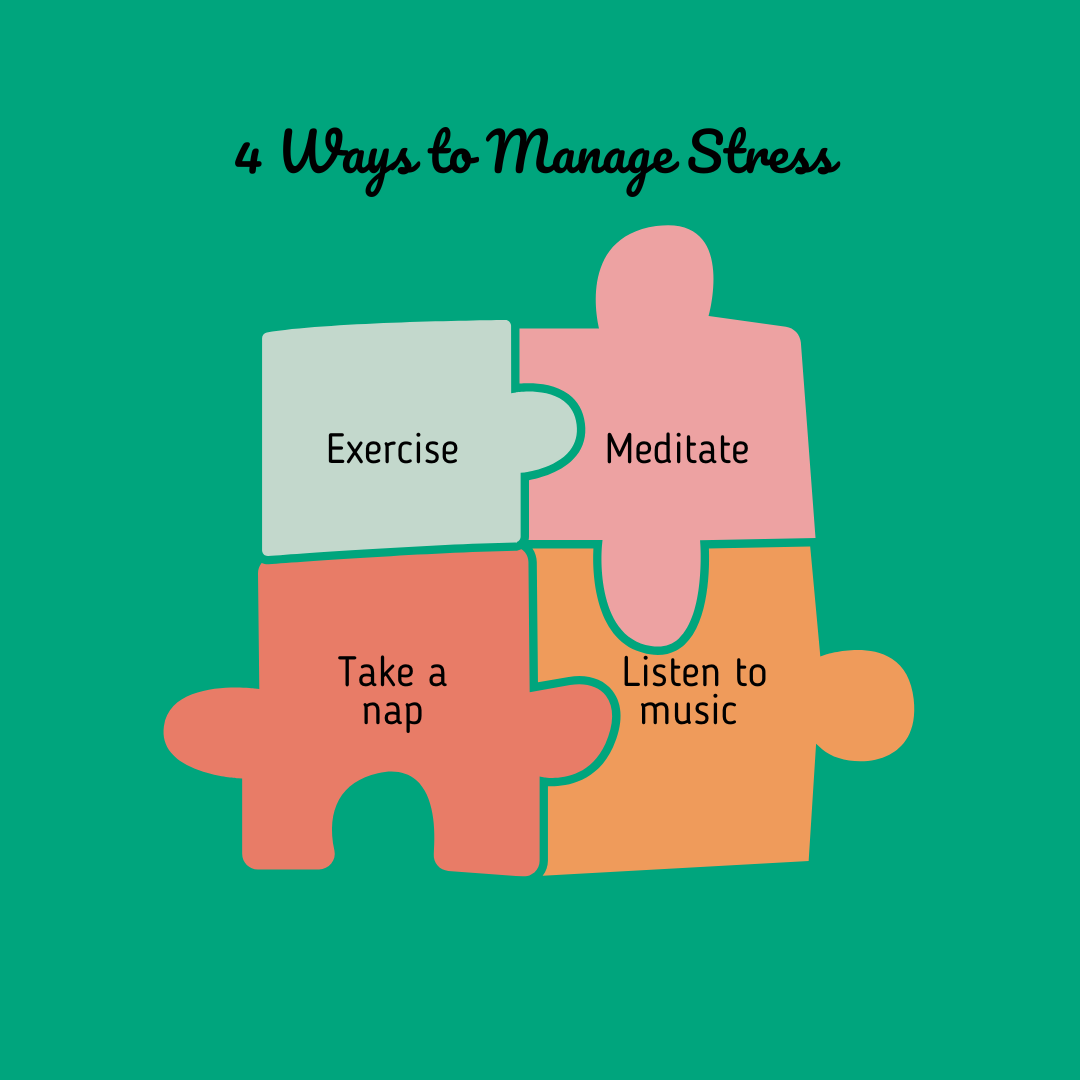
Stress messes with your brain. Too much of it floods your brain with cortisol, which makes it harder to focus, make decisions, or even remember simple things. On the other hand, activities like exercise or mindfulness can release feel-good hormones (hello, endorphins!) and boost your mood.
And let’s talk about sleep—the unsung hero of stress management. Lack of sleep can make you 20% less productive, and if it goes on for too long, it can increase your risk of burnout by 2.5 times. So maybe it’s time to stop glorifying all-nighters and start celebrating naps!
What Can Organizations Do?
- Normalize Mental Health Days: Encourage your team to take time off when they’re feeling overwhelmed. One day of rest can save weeks of low productivity.
- Offer Stress Management Resources: Provide access to therapy, counseling, or stress management tools. Think of it as giving your employees a toolkit for life.
- Encourage Open Conversations: Make it okay to talk about stress and burnout at work. Leaders can set an example by sharing their own stories.
- Use the Right Tools: Tools like Tap My Back can create a safe and positive workplace by promoting recognition and regular feedback. When people feel valued, they’re less stressed and more productive.
A Simple Story: The Ripple Effect

Meet Jane, a marketing professional. She’s swamped with projects, a big deadline is looming, and her dog just destroyed her favorite shoes. Instead of letting things spiral, Jane’s manager checks in with her and offers some support—maybe a stress management workshop or just a kind word. That small act helps Jane bounce back, and soon she’s not just meeting her deadlines but also helping a colleague who’s having a tough time.
A little support goes a long way.
“Almost everything will work again if you unplug it for a few minutes, including you.” – Anne Lamott
A Friendly Reminder
Addressing burnout and stress is not just good for employees but great for business too. Ready to make your workplace more supportive? Check out how Tap My Back can help create a culture of recognition and well-being.
We’d love to hear your thoughts. How does your workplace support stress management? Let’s chat!